
technical 8 min read
Part 1: The Audit Framework I Wish I'd Had on Day One
Most founders don't audit their own codebase until something breaks in production at 2 AM. I waited until a load test started lying to me.
2026-03-29 Read more → →
Deep thinking on software quality, AI-built applications, and the frameworks that will define trustworthy software in the post-vibe-coding era.
Most founders don't audit their own codebase until something breaks in production at 2 AM. I waited until a load test started lying to me.
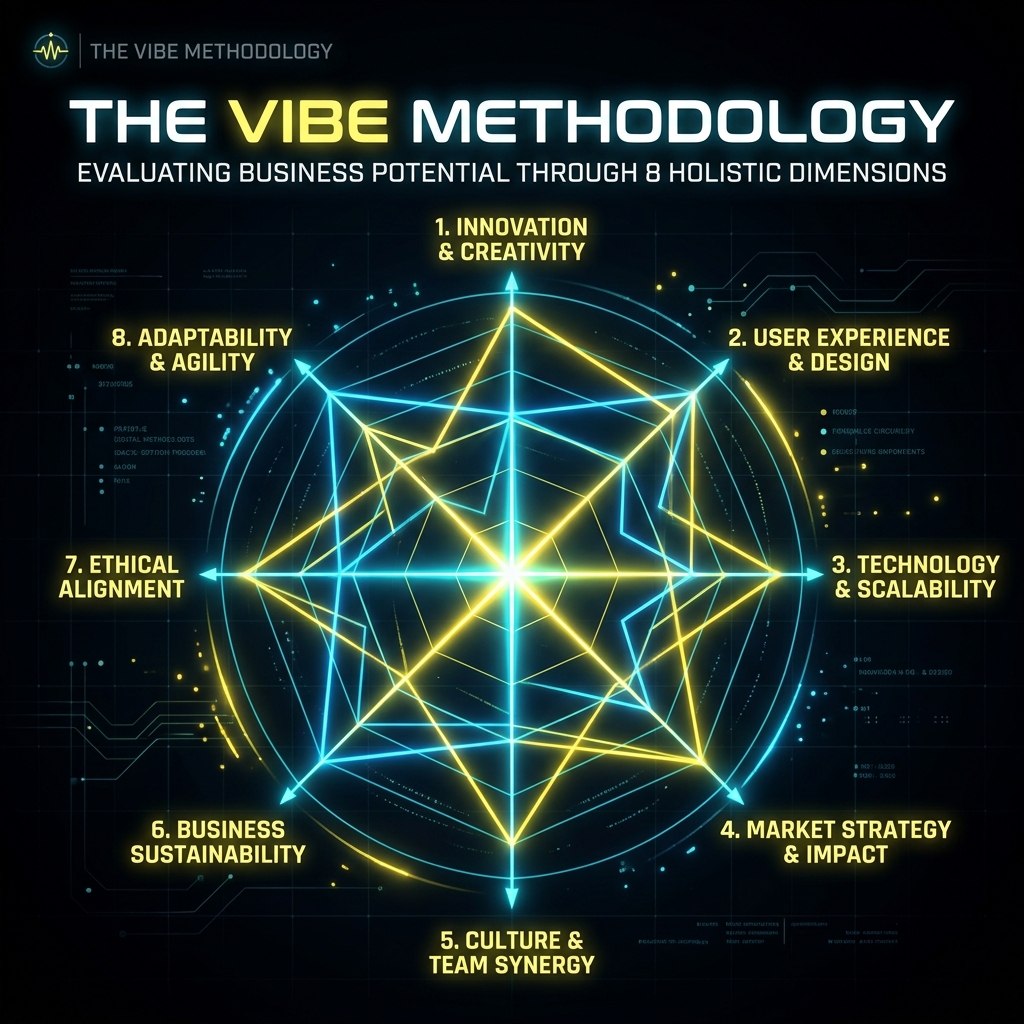
How we turn the subjective 'vibe' of an application into a hard, measurable quality signal. The science of the VIBE score and its 8 dimensions.

Why AI 'vibe' is not enough. How to evaluate the intelligence of your application across 4 key vectors: resilience, governance, safety, and budget.
Why 'Vibe Coded' usually means 'Untested'. Using AI to automate the B dimension and ensure your codebase doesn't become a black box of technical debt.
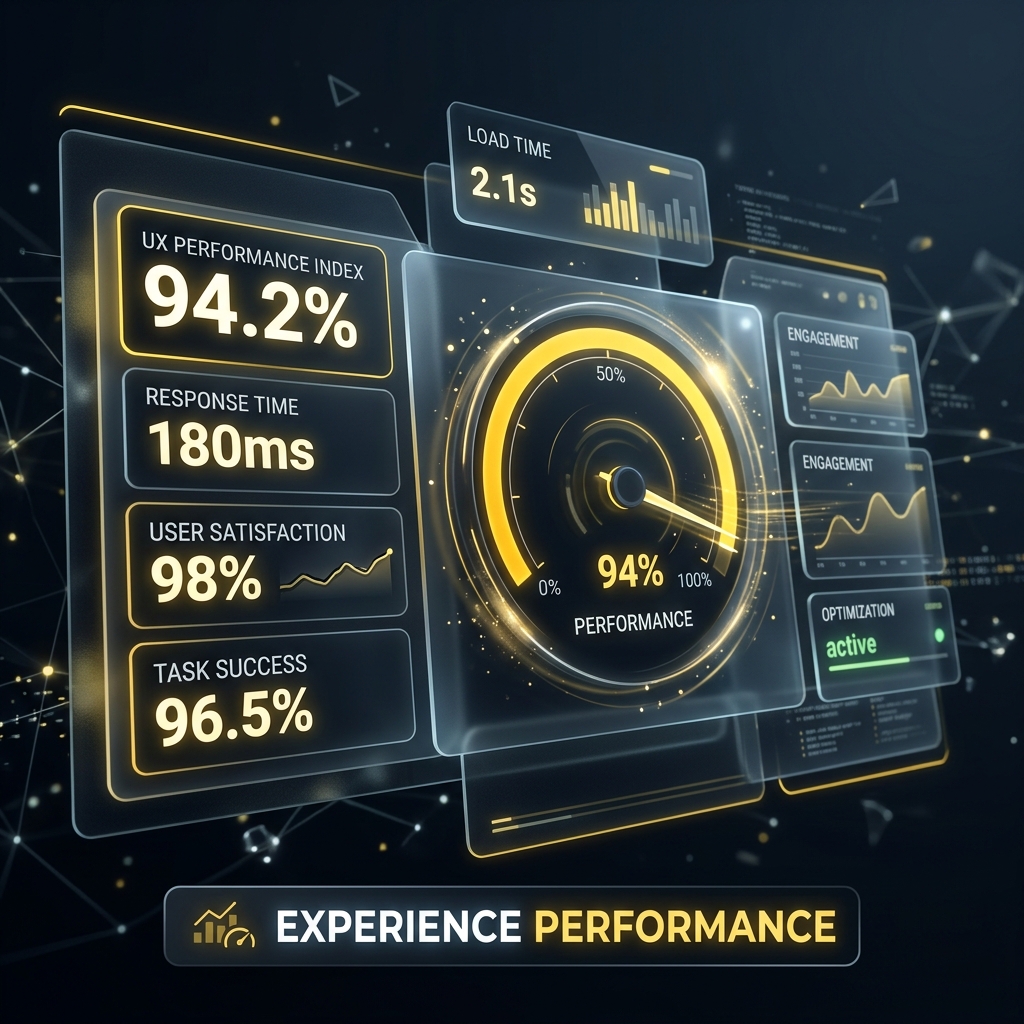
Lighthouse is the baseline. High-fidelity glassmorphism is the moat. Measuring the UI Vibe across performance, accessibility, and aesthetics.
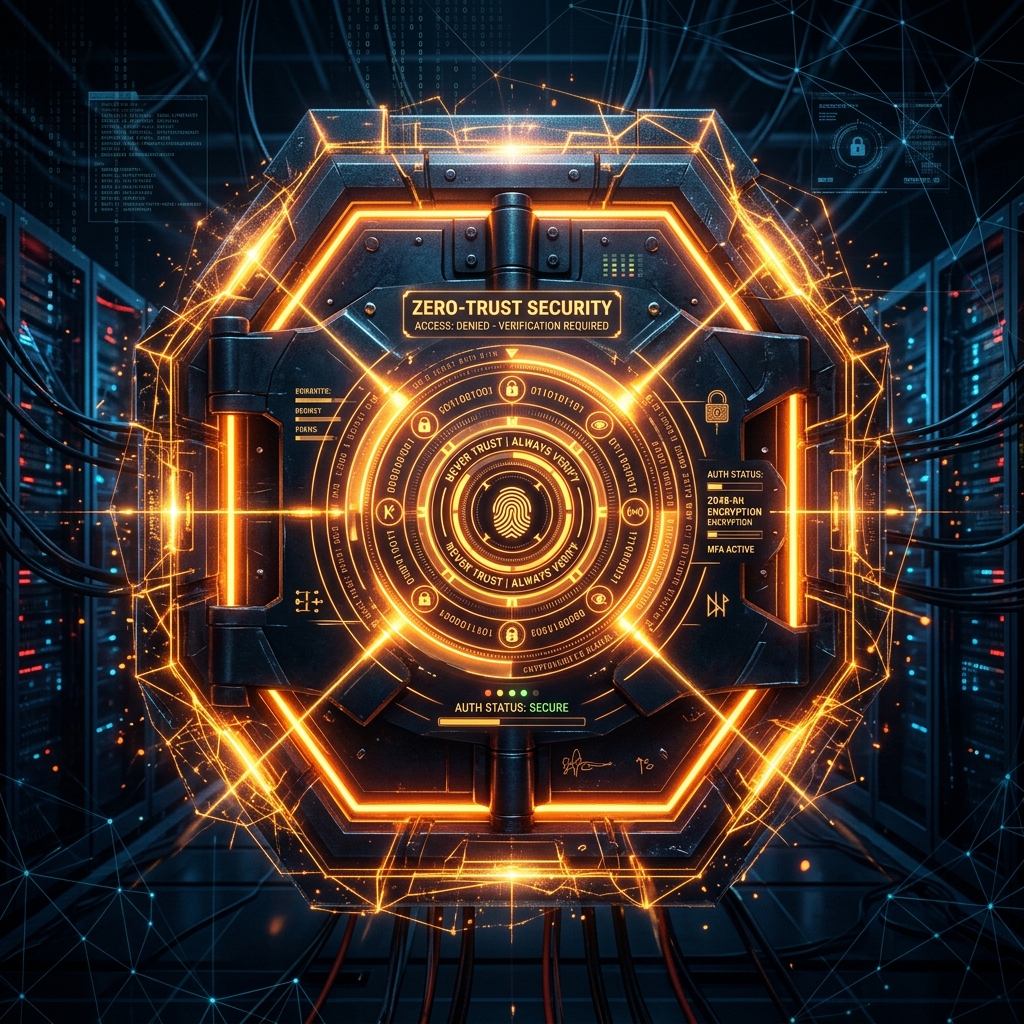
Zero-Trust Agentic Authentication. Why your API needs more than just a password to survive the automated disruption landscape.
The hidden tax of 'Vibe Coding'. How to keep shipping at high speed without the codebase becoming an unmanageable mess of AI-generated cruft.
Why technical debt is a literal choice. How to use AI to keep your codebase perpetually clean and self-documenting through typed schemas.
Why 'Vibe Coding' is a high-risk gamble if your codebase becomes a 'Black Box'. Managing the inherent disruption risk of AI-built systems.
The final step in the maturity model. Why every application will eventually be scored by an agentic swarm to prove its existence.
How an HTTP-layer behavioural probing architecture allows ProductBees to establish a stack-agnostic trust standard for any app, anywhere.
Vibe coding democratised creation. It did not democratise quality. This is our case for why that matters, and what we intend to do about it.
A scoring framework that assesses AI-built apps across eight dimensions — velocity to maintainability — producing a trustworthy quality signal.
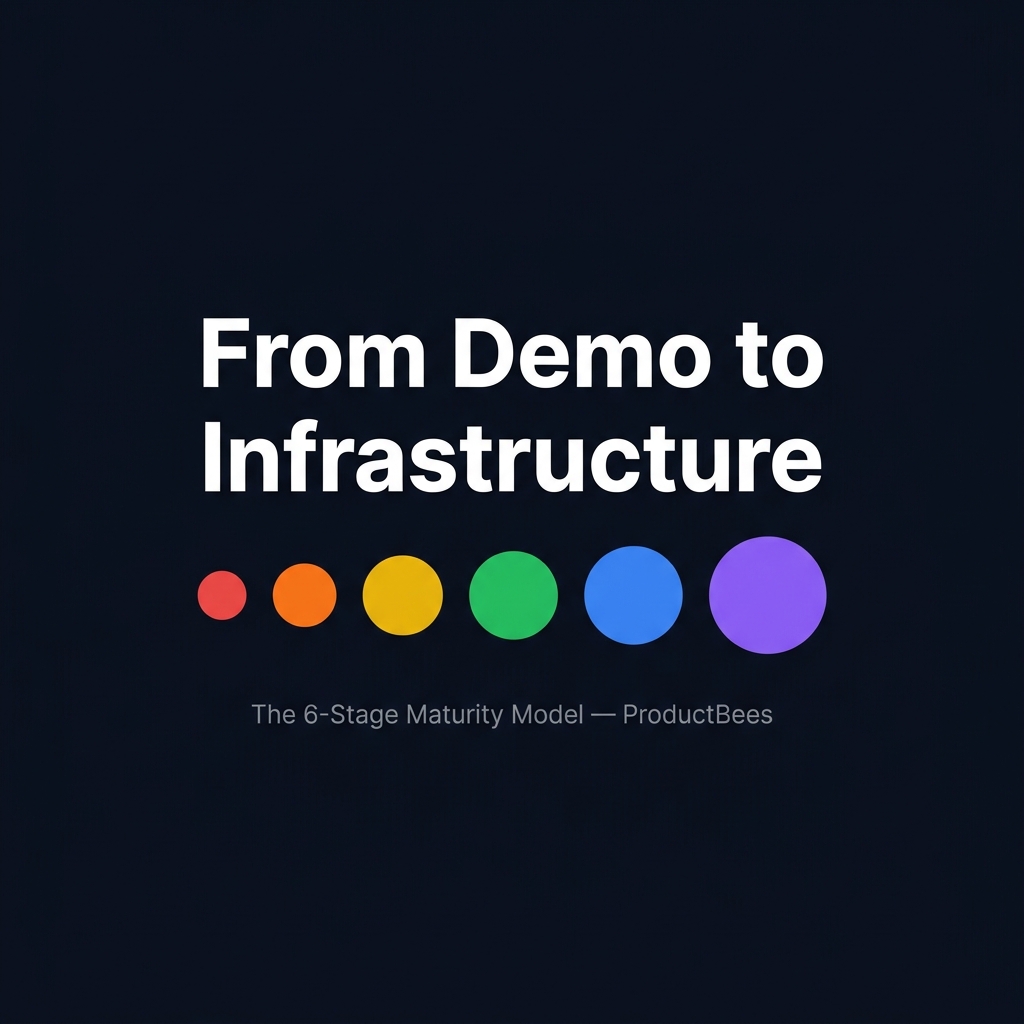
Understanding where your software sits on the maturity spectrum is the first step to knowing what to build next to reach the infrastructure standard.